—Services

A good idea.
A solid foundation.

I design and build websites, web applications and custom systems — from clarifying needs, through interface and logic, to launch.

01 / 05

Websites

A website that explains the offer and leads to contact.

For companies, specialists and brands whose offer is good, but whose current website does not explain it — information is hard to find and the next step is unclear.
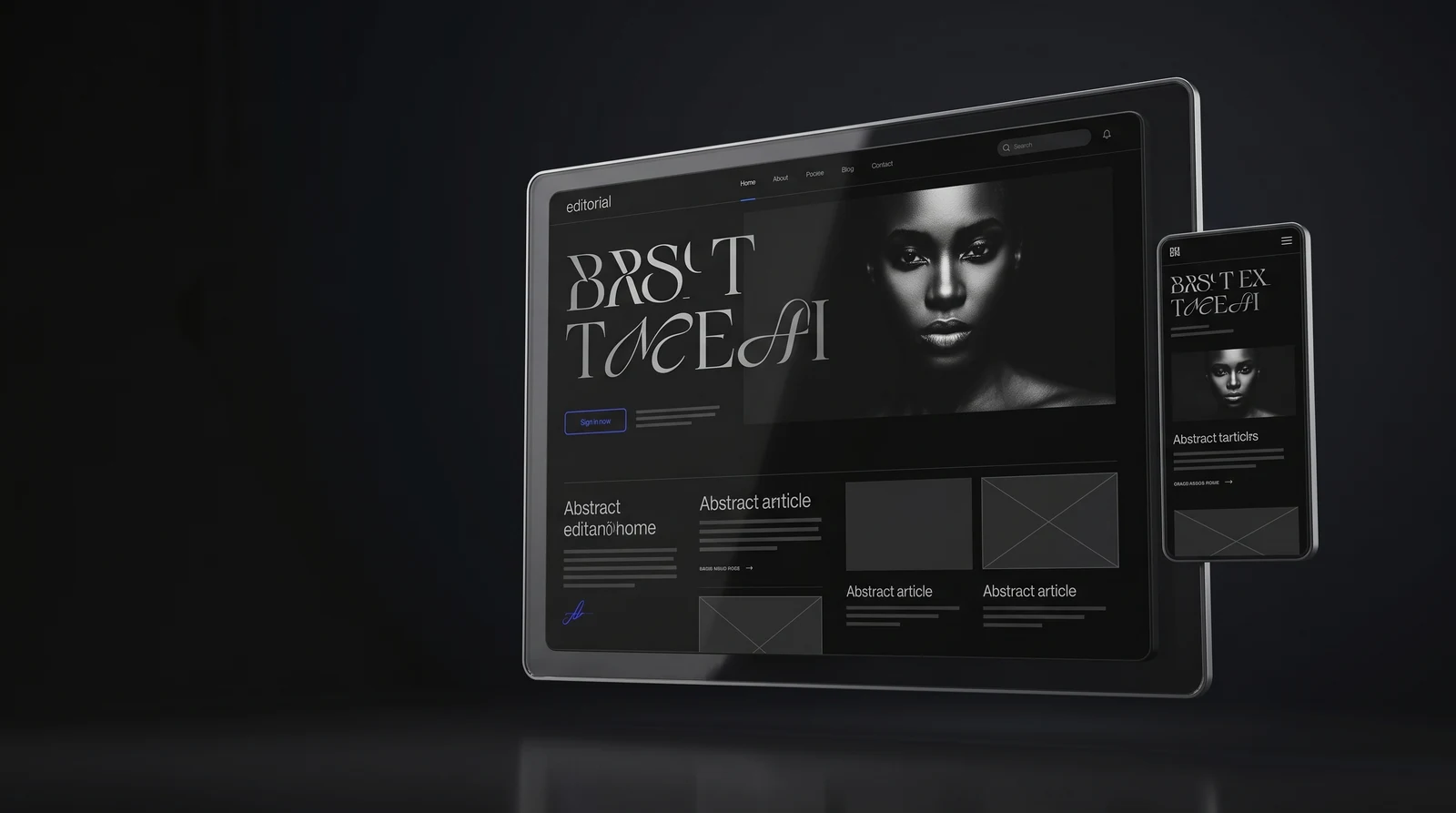
Conceptual visual of a website on a tablet and a phone.

What I do

  • content structure and the path to contact
  • screen design for desktop and mobile
  • frontend, forms and technical SEO
  • launch on the final domain

What you get

A responsive, fast website with working forms, SEO foundations and short instructions for updating content.

Typical scenarios

  • A service business has a good offer, but customers call with questions the website should answer.
  • A specialist needs a portfolio that leads to an enquiry, not just a gallery.
  • An existing site is slow and hard to update — it needs a rebuild without losing content.

Worth knowing

In website projects, content usually takes more time than code. When texts and images are ready early, the whole project moves faster and looks better.

What drives scope

Time and complexity mostly depend on the number of pages, how much content exists and is ready, integrations (e.g. CMS, maps, newsletter) and whether a design already exists.

Common questions

Can I edit content myself?

Yes, if needed — we agree on it at the start, because it affects the chosen solution and the scope.

Will you move content from the old site?

Yes, within the agreed scope. Along the way we sort out what is worth keeping and what is better rewritten.

02 / 05

Web applications

An interface for real work, not just for looking at.

When people need to get something done: book a slot, check a status, handle a request or manage data. A brochure website cannot carry that.

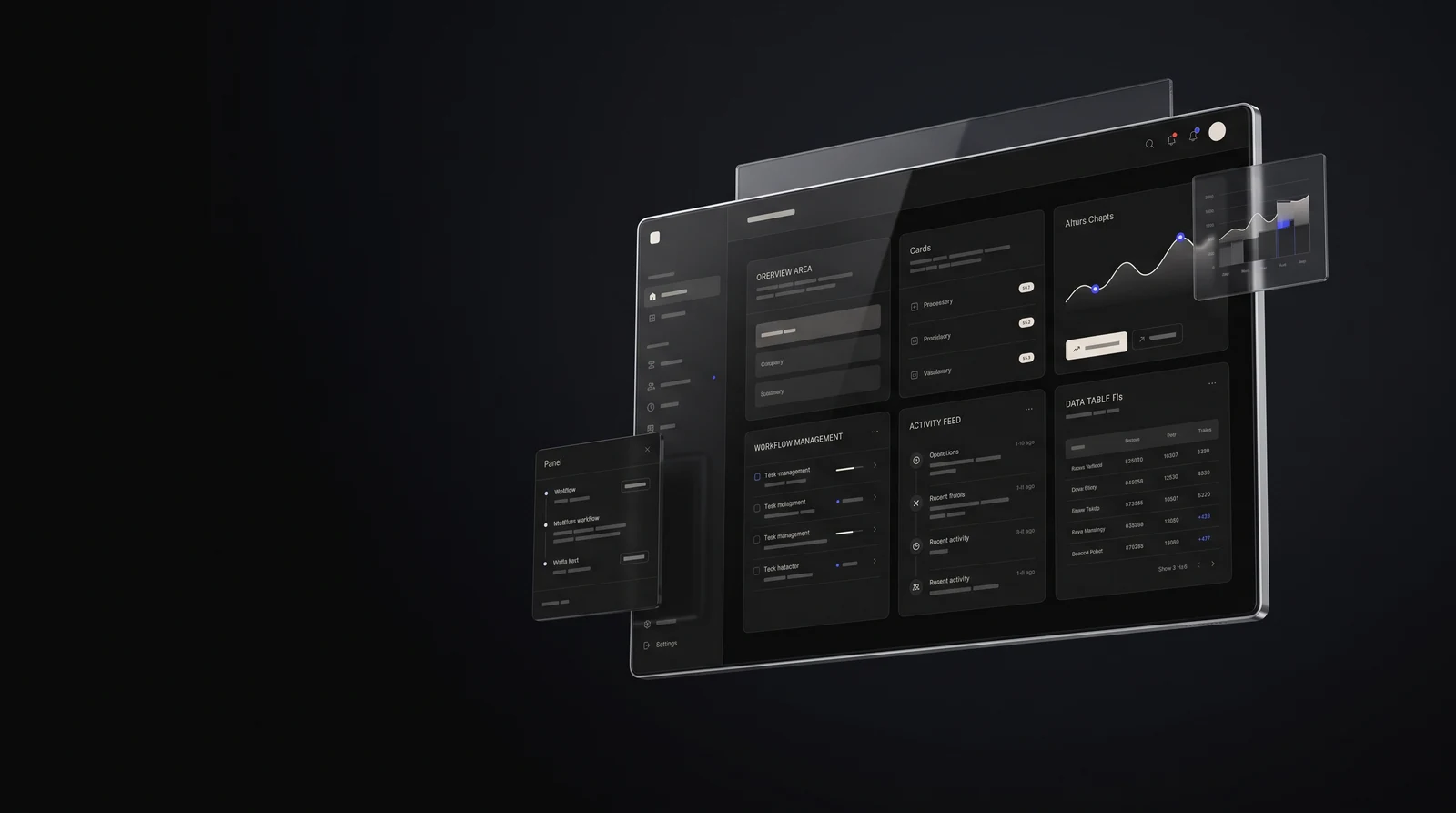
Conceptual visual of a web application dashboard with charts and tables.

What I do

  • user journeys, roles and states
  • interface and application logic
  • database, APIs and permissions
  • error handling and mobile views

What you get

A working application with the agreed features, plus the code, configuration and documentation needed to develop it further.

Typical scenarios

  • Customers book by phone and email — a booking module with a panel is needed.
  • A team needs a browser-based panel for checking statuses and data.
  • An existing tool works, but its interface slows work down and causes mistakes.

Worth knowing

An application is best started with a first release that solves one important problem. Further features come once you see how people use it.

What drives scope

It depends most on the number of roles and screens, rule complexity, integrations with external services and data requirements — such as change history or exports.

Common questions

Will the app work on phones?

Yes — as a responsive browser application. Native app-store apps are a different kind of project.

Who owns the code?

Code and access handover terms are agreed in the contract before work starts.

03 / 05

Custom systems

A tool shaped around your process.

For teams whose orders, customers and statuses live across spreadsheets and inboxes. If an off-the-shelf tool needs five workarounds, building the right one can make more sense.

Conceptual visual of a modular system architecture connected by data lines.

What I do

  • process analysis and data model
  • CRM, admin panel or internal tool
  • roles, statuses and automation
  • deployment on a server

What you get

A system built around the agreed process: database, panel and logic, a clearly defined first release and maintenance guidance.

Typical scenarios

  • Orders, customers and statuses live across spreadsheets — one CRM is needed.
  • An off-the-shelf system needs workarounds that cost the team time every day.
  • The process has roles and permissions a generic tool cannot model well.

Worth knowing

Understanding the process is what matters most. A system that mirrors a bad process only speeds it up — so part of the work is simplifying how the team works today.

What drives scope

The process sets the scope: how many statuses and roles exist, where data comes from, what has to be migrated from spreadsheets and which reports are needed. The first release covers what relieves the team fastest.

Common questions

Can spreadsheet data be migrated?

Usually yes. I first check their quality and structure, because that determines the migration scope.

Where will the system run?

On a server agreed at the start — e.g. a VPS. I match the configuration to scale and security needs.

04 / 05

Frontend development

Have a design? I’ll bring it to the browser, behaviour included.

For teams and designers with a finished design who need someone to reproduce not only the layout of one screen, but also its states, motion and responsiveness.

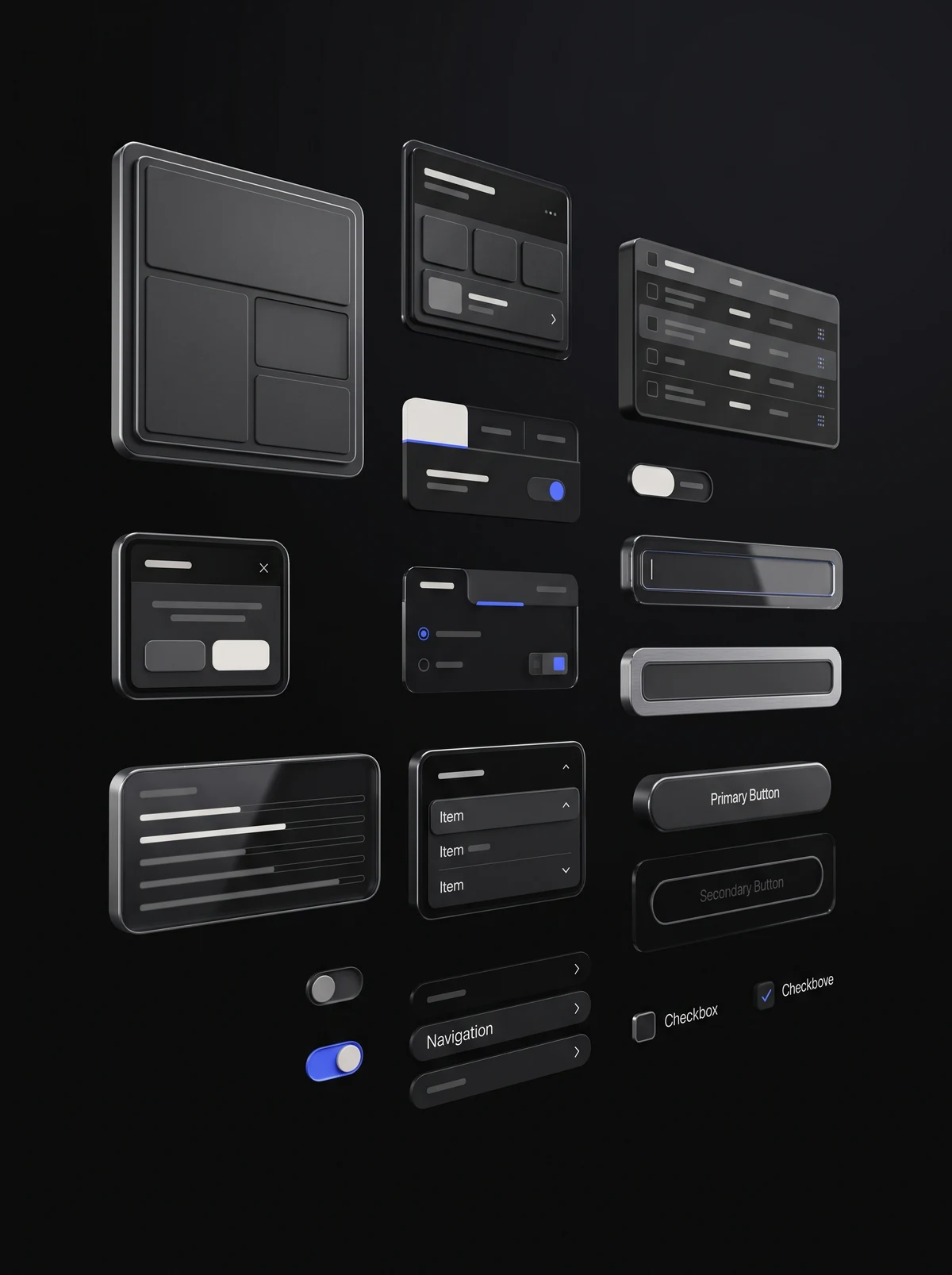
Conceptual visual of an interface component library.

What I do

  • components faithful to the design
  • missing states and behaviours
  • responsiveness and accessibility
  • integration with an existing back end

What you get

A frontend ready for integration or launch: a clear code structure, verified key screens and form states.

Typical scenarios

  • An agency or designer has a finished design and needs a faithful, responsive build.
  • A back-end team needs a frontend connected to an existing API.
  • A design only has desktop views — mobile and states need work.

Worth knowing

A visual design rarely includes everything: error states, empty lists, long names, smaller-screen views. I catch these gaps at the start so they do not become surprises later.

What drives scope

It depends on the number of unique screens and components, how complete the design is (states, mobile versions), animation and how the front end talks to the back end.

Common questions

Do you work with a back-end team?

Yes. We agree an API contract and a way of working so frontend and back end can be built in parallel.

Will you add animation?

Yes, when they help understanding. Always with support for reduced-motion settings.

05 / 05

UI / UX

People know what to do next — without instructions.

When the idea exists, but content, features and decisions compete with each other and people do not know where to start. Also when an existing product works, but is hard to use.

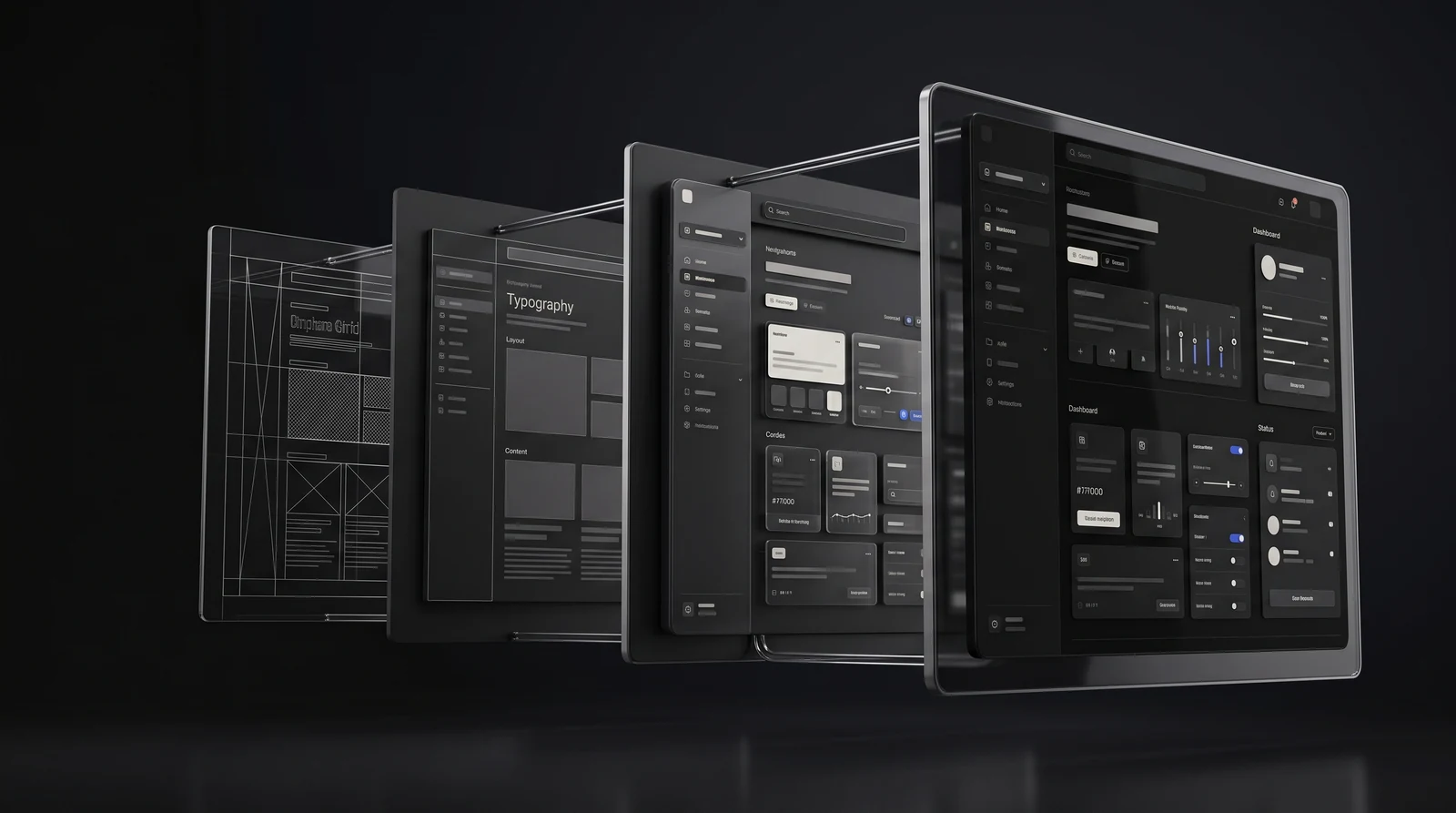
Conceptual visual of interface evolution: from wireframe to finished design.

What I do

  • information architecture and flows
  • wireframes of key screens
  • interface and component design
  • responsive and interaction rules

What you get

An interface design with behaviour notes and components — a coherent basis for implementation, not a set of disconnected screens.

Typical scenarios

  • There is a product idea, but no clear first screen.
  • Users get lost in an existing product and ask for help with simple tasks.
  • A team needs a consistent component system before further development.

Worth knowing

A design is only as good as the decisions behind it. That is why I spend most attention on structure and flows — colours are easy to change, poor navigation is not.

What drives scope

Scope depends on the number of key journeys, whether we start from scratch or from an existing product, and the level of detail needed — wireframes or finished views with components.

Common questions

Will I get the design files?

Yes, in the agreed format, together with notes on components and behaviour.

Can someone else implement the design?

Yes. I prepare it so it can be built without guessing — with documented states and responsiveness.

06Process

From the first conversation
to launch.

Six stages, each with a tangible result. You always know where we stand, what I need from you and what you get at the end of each stage.

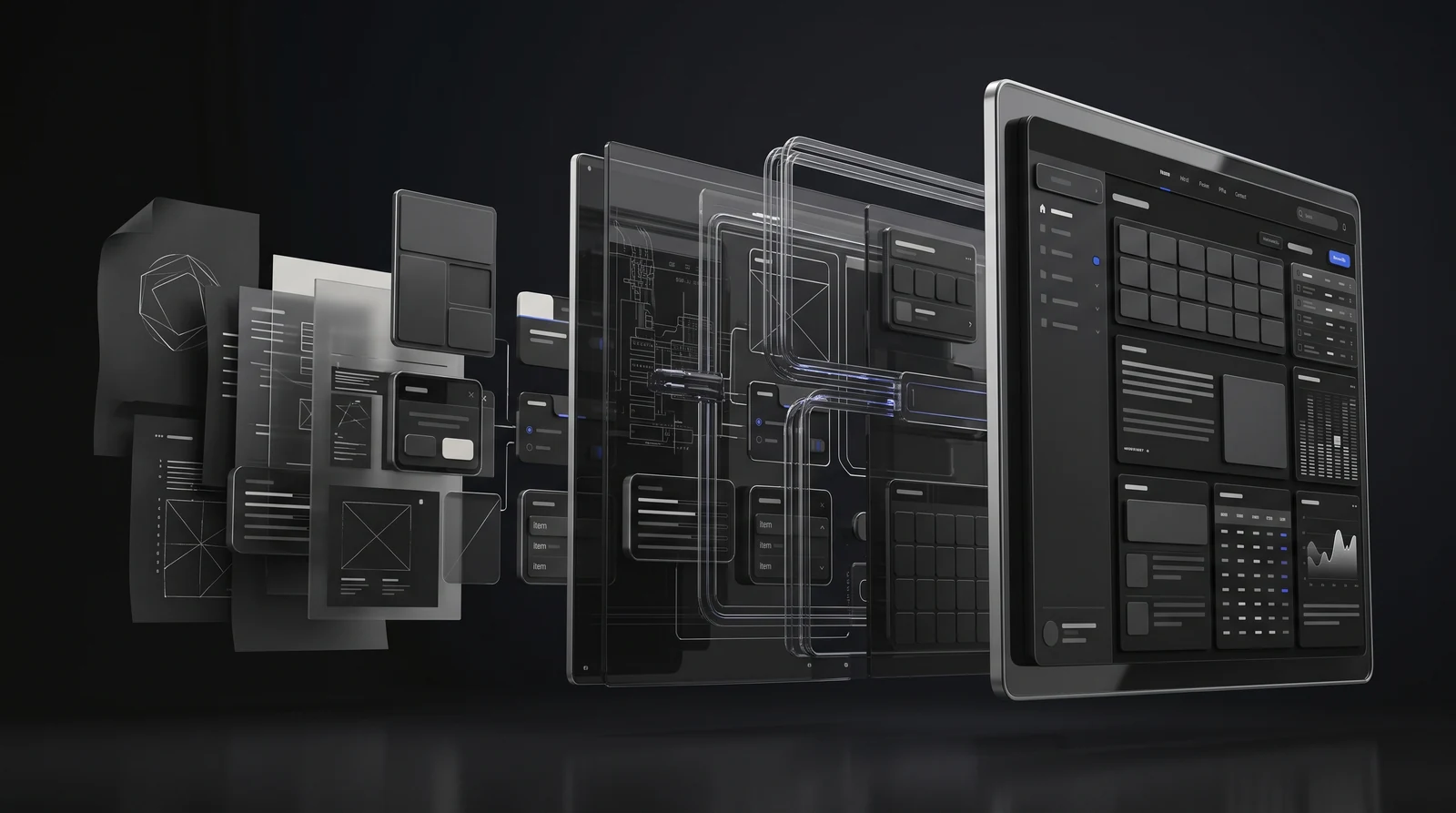
Conceptual visual of the path from brief through wireframes to a finished product.
  1. 01Conversation & goal

    We start with the problem.

    We discuss what should change for your customers or team. I ask about context, constraints and how we will know the project succeeded.

    From you
    Your goal, current materials, examples and what already works.
    From me
    Questions, a review of the situation and a list of open decisions.
    Outcome
    A shared starting point and a decision on whether the scope makes sense.
  2. 02Scope & structure

    What matters comes first.

    We split features into the first release, useful additions and later work, then map screens, flows and dependencies.

    From you
    Priorities, budget, timing and a decision maker.
    From me
    A scope proposal, information architecture, work order and estimate.
    Outcome
    An agreed scope and schedule — clear about what is built now and what comes later.
  3. 03Interface design

    You can see how it will work.

    I design key screens and user journeys. We review content hierarchy, components, states and smaller-screen behaviour.

    From you
    Brand materials, content or its outline, and specific feedback.
    From me
    Visual direction, UI/UX design and notes on key interactions.
    Outcome
    Approved screens and the rules the code will follow.
  4. 04Development

    The design moves into the browser.

    I build components, logic and agreed integrations. We work on a preview, so progress is visible as it happens.

    From you
    Content, decisions on open questions and securely shared access.
    From me
    Frontend and, depending on scope, back end, APIs, data and permissions.
    Outcome
    A working version ready to review together.
  5. 05Testing & refinement

    We test beyond the happy path.

    We walk through the key journeys. I check forms, invalid input, keyboard use, mobile views and slower connections.

    From you
    Feedback on behaviour and confirmation that content and workflows are right.
    From me
    Fixes plus checks of performance, accessibility and technical SEO.
    Outcome
    A verified scope and a list of any remaining limitations.
  6. 06Launch & handover

    We launch. Then check again.

    The product goes live at its final address. I verify configuration and key functions in production.

    From you
    The domain, agreed hosting and approval to publish.
    From me
    Deployment, post-launch checks and handover notes.
    Outcome
    A live product. Maintenance and development are agreed separately.

03At handover

What do you
actually get?

What matters is something you can launch and use. These elements make up a complete product — we pick them according to your project’s scope.

  1. 01

    Structure and priorities

    A content map, key flows and first-release scope. You know what is being built now and what is worth planning later.

  2. 02

    The interface, states included

    Desktop and mobile views, components and states: empty, pending, success and error.

  3. 03

    A working frontend

    Code you can run, test and extend — structured components and behaviour that matches the design.

  4. 04

    Data, logic and integrations

    Forms, APIs, database, roles and permissions — where the product needs them. Scope is agreed before work begins.

  5. 05

    Verified key journeys

    Checks of performance, responsiveness, accessibility foundations and technical SEO — including errors and less obvious situations.

  6. 06

    Launch and handover

    Release in the agreed environment, post-launch checks and handover notes. Maintenance and further development are planned separately.

06Indicative pricing

Let’s talk
specifics.

Note: The price ranges shown are estimates. I prepare precise pricing and schedule of milestones in a clear technical specification document. B2B invoices available.

  1. 01

    Starter

    Landing page / portfolio · 5–10 working days

    1–3 sections or pages, responsive layout, contact form, basic SEO and SSL deployment.

    from 1 200 PLN

  2. 02

    Business

    CMS website · 14–21 working days

    Up to 10 pages, CMS, blog, local SEO and interface animation.

    from 2 500 PLN

  3. 03

    E-Commerce

    Online store · 21–30 working days

    Product catalogue, Stripe/P24 payments, admin panel, checkout and email template.

    from 4 500 PLN

  4. 04

    Scripts

    Custom function · 3–7 working days

    JavaScript, Java or PHP, database integration and source code handover.

    from 800 PLN

  5. 05

    Systems

    Backend / API · 10–20 working days

    API integration, SQL, automation and 30 days of post-launch support.

    from 2 000 PLN

  6. 06

    Applications

    Software · individual schedule

    Complete web application, database, cache, optimisation, architecture and source code.

    from 6 000 PLN

07FAQ

Before
we begin.

Do I need a finished design or specification?

No. We can start with a problem, a goal or a loose idea. The first stage is working out what actually needs to be built.

Can you work from an existing design?

Yes. I can implement a design from Figma or another tool. Before starting I check what is missing — error states, mobile views, empty lists — and propose additions before they become problems in code.

Do you work with existing code or systems?

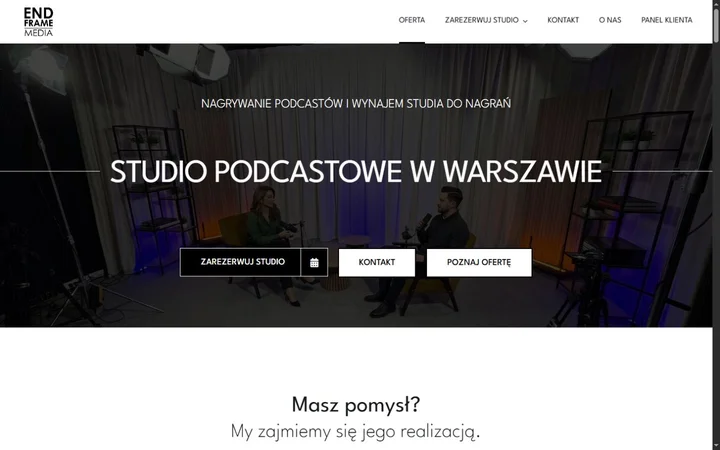
Yes. I start with an audit: how the current code works, what is risky and what can be improved without rewriting everything. That is how the Endframe work went — modernising an existing site and adding bookings.

Do you handle both design and code?

Yes. I connect structure and interface design with implementation. The scope can cover the whole product or a single stage, depending on what you already have.

Can I come with just an idea?

Yes. Many projects start with one sentence such as “I want customers to book slots themselves”. We work out the rest together — that is what the first stage is for.

How is the project scope defined?

After the conversation I write down what goes into the first release, what is an add-on and what is left for later. Only that document becomes the basis for the estimate and schedule — so both sides understand the same thing.

Can you rebuild an existing website?

Yes. I start by reviewing the current site, its content and constraints. We decide what to keep and what to change — from the interface to how the system works.

Can you do only the frontend or only the back end?

Yes. I can join at a specific stage: UI and frontend, integration, back end or development of an existing application. Technology depends on the solution.

Will the website work on phones?

Yes. Responsiveness is part of the design from the first screen, not an add-on at the end.

Do you handle deployment?

Yes, within the agreed scope. The goal is a working solution at its final address, not just code in a repository.

How long does a project take?

It depends on scope. A landing page, a larger website and a custom application are different projects. We set a realistic schedule once the requirements are clear.

How much does it cost?

Pricing depends on the number of screens, features, integrations and level of polish. We define the project’s needs first, then I prepare an estimate.

How are revisions handled?

Approval stages and revision scope are agreed before we start. Feedback is collected per stage. New features or scope changes are discussed separately — including their impact on timing and cost.

What happens after launch?

Before launch we agree on the handover and any further support. Maintenance and new features are agreed separately.

ContactI reply personally

Let’s talk.

Have an idea, a website to rebuild or a process that needs its own tool? I don’t need a finished specification — a few sentences about what you want to achieve are enough.

  1. 01

    You write. One short form — a few sentences are enough.

  2. 02

    I reply personally. Usually with questions that help clarify the scope.

  3. 03

    We agree a direction. A short call, then a scope proposal and estimate.

Form delivery is not connected on this server yet. Messages only arrive by email: kontakt@bartoszszymanski.pl.

What are we building?
Where are you now?
You can add:

At least 20 characters.

Your details are used only to reply to your message. Privacy